
The Impact of Climate on Tire Longevity
Weather conditions play a crucial role in determining the wear and tear on truck tires. From scorching summer heat to icy winter roads, each environmental factor affects how long your tires last. Drivers need to understand these impacts for safe travel and cost-effective maintenance. By adapting tire care strategies to weather changes, you can extend the lifespan of your tires and avoid unnecessary expenses.
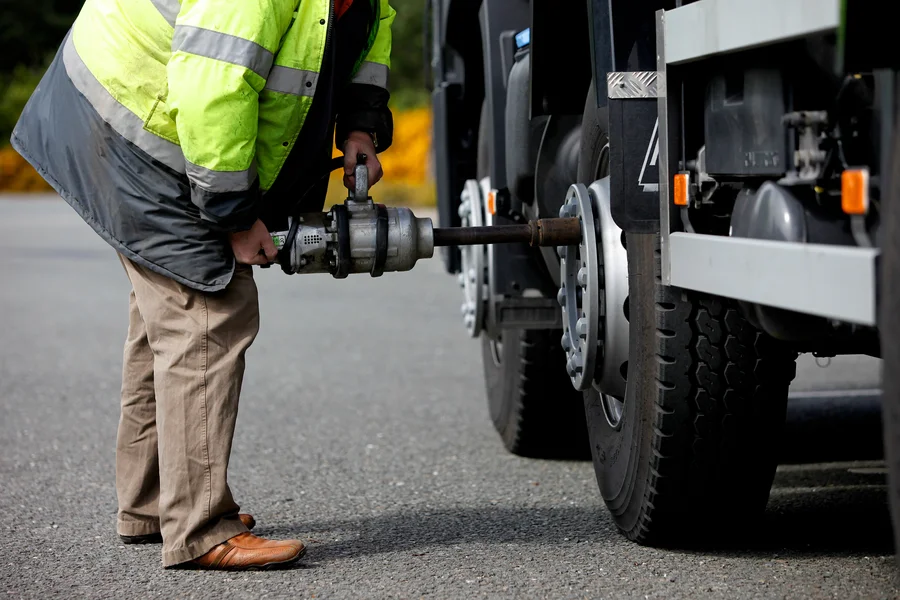
Heat’s Effect on Tire Durability
High temperatures can cause truck tires to expand and overheat. This increases the risk of blowouts, which are dangerous and costly. The heat also accelerates rubber degradation, leading to frequent truck tire repair issues. By regularly checking tire pressure during hot months, you can reduce these risks. Keeping tires properly inflated is crucial for preventing damage due to heat exposure.
Cold Weather Challenges for Tires
Winter conditions require special attention to ensure safety and efficiency. Cold temperatures cause tires to contract, increasing wear and making them prone to cracking. Snow and ice create slippery surfaces, demanding more traction from your tires. Investing in winter tires helps maintain grip and reduces the frequency of truck tire repair needs during colder months.
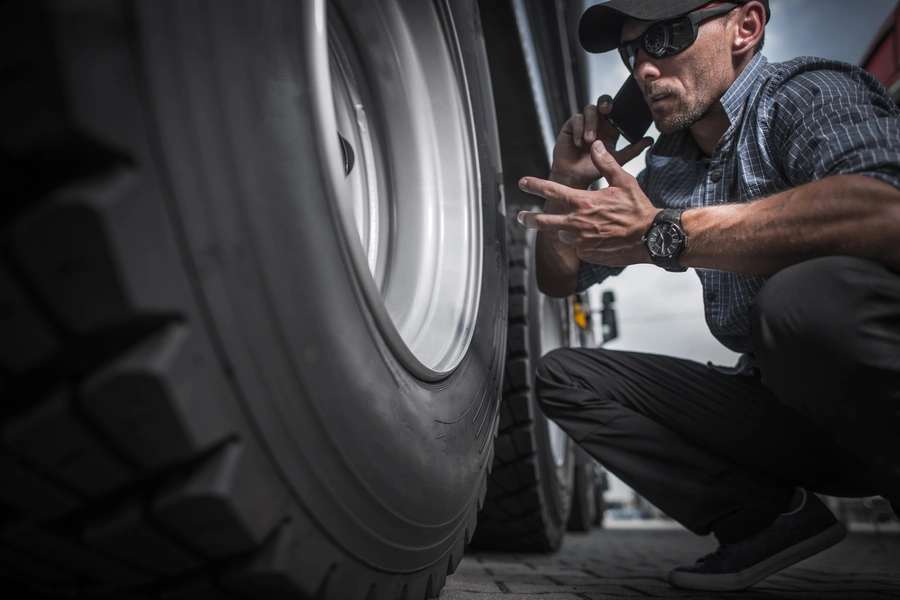
Wet Weather’s Impact on Traction
Rainy conditions lead to wet roads, affecting traction significantly. Water creates a barrier between the road surface and the tire, increasing the risk of hydroplaning. To combat this, ensure your truck tires have adequate tread depth. Consistently inspect your tires for signs of wear and replace them when needed to avoid dangerous situations on wet roads.
Tire Maintenance Tips for Various Climates
Proper maintenance is key to maximizing tire life regardless of weather conditions. Here are some tips:
- Check tire pressure monthly
- Rotate tires every 5,000 to 7,000 miles
- Inspect tread depth frequently
- Use season-specific tires
- Avoid overloading your vehicle
The Role of Seasonal Changes
Seasonal transitions affect tire performance and longevity. During spring, melting snow may create slick patches on roads. Fall brings about falling leaves that can obscure road hazards. Adjust driving habits according to the season by slowing down and maintaining safe distances from other vehicles. Paying attention to seasonal changes will help prevent unnecessary tire damage.
Adapting Driving Habits for Safety
Your driving habits also influence how quickly your truck tires wear out. Sudden stops, fast acceleration, and sharp turns increase stress on your tires. In adverse weather, adopt smoother driving techniques to minimize tire strain. This not only improves your safety but also prolongs your tire’s life span.
Investing in Quality Tires Pays Off
Choosing high-quality tires designed for specific weather conditions can save money in the long run. While premium tires may have a higher upfront cost, they offer better durability and performance under adverse conditions. They require less frequent repairs and replacements, providing a better return on investment than cheaper options.
Your Partner in Tire Care Solutions
Consider reaching out to Kwik Stop Tires LLC for expert advice tailored to your specific needs. We have extensive experience in addressing various weather challenges for trucks based in Fort Lauderdale, FL. Our team offers detailed guidance on selecting appropriate tires for all climates. For reliable support, call us at (916) 968-3262. Trust us to keep your fleet running smoothly year-round.