
Essential Tips for Identifying Tire Wear Before Purchase
When buying used tires, it’s crucial to know what to look for. Hidden damage or significant wear can lead to safety issues on the road. Understanding how to identify common signs of tire wear can save you time, money, and potential headaches. This guide will walk you through the key indicators that suggest a tire may not be worth your investment. By learning these signs, you’ll make more informed decisions and avoid unnecessary risks.
Tire Tread Depth
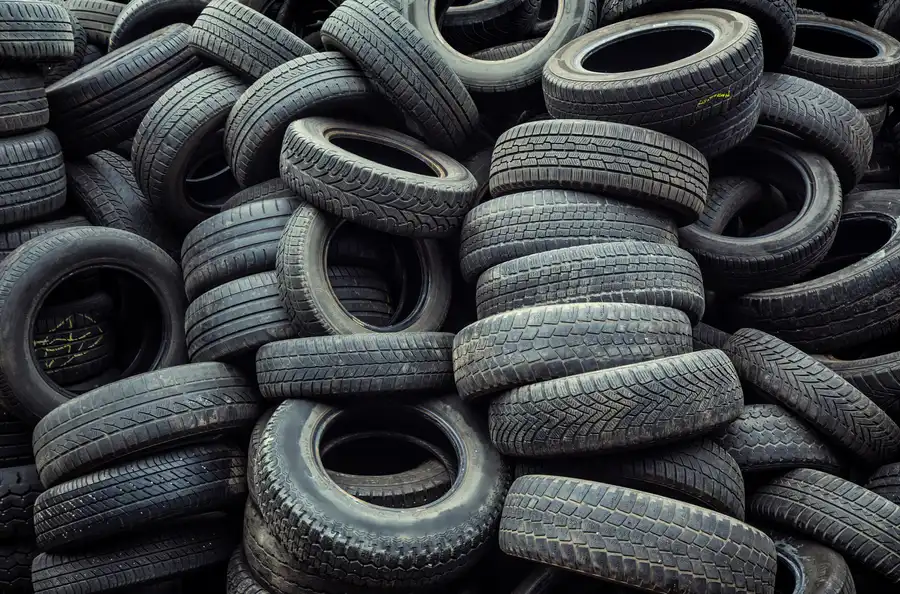
Tread depth is one of the most critical aspects to check when examining used tires. The tread provides traction and helps prevent slipping in wet conditions. A quick way to measure tread depth is by using a penny. Insert the coin into the grooves with Lincoln’s head upside down. If you can see all of Lincoln’s head, the tread is too shallow. Such tires are unsafe, especially during rainy seasons.
Look for Cracks and Bulges
Cracks and bulges on a tire’s surface indicate underlying structural problems. They often result from overinflation, underinflation, or hitting obstacles like curbs and potholes. During any used tire sale, inspect the sidewalls carefully for these defects. Tires with visible cracks or bulges should be avoided since they might fail under pressure.
Check for Uneven Wear Patterns
Uneven wear patterns often point to alignment issues or improper inflation levels. These patterns can reduce tire lifespan and affect your car’s handling. Run your hand across the tire surface to detect uneven areas. If you notice more wear on one side compared to the other, it might not be wise to purchase such tires even if they’re offered at an attractive price during a used tire sale.
Inspect for Punctures and Repairs

Punctures are another sign of wear that must be checked before purchasing used tires. Examine both the outer and inner surfaces for any signs of patches or plugs. While some repairs can be acceptable, multiple patches indicate extensive prior damage. Always prioritize tires with minimal repair history for better reliability.
Age of the Tire
The age of a tire significantly impacts its performance and safety. Most manufacturers recommend replacing tires every six years, regardless of tread condition. You can find the manufacturing date on the sidewall, typically represented as a four-digit code indicating the week and year of production. Older tires may suffer from rubber degradation, making them less safe for use.
Benefits of Buying Quality Used Tires
- Saves money compared to new tires
- Lowers environmental impact by recycling older products
- Provides quality options if inspected thoroughly
Avoiding Common Pitfalls With Used Tires
Buying used tires does come with risks, but being aware of common pitfalls can help you make smarter choices. Consider having a trusted mechanic evaluate the tires beforehand. Their expertise can confirm your assessments and provide peace of mind. Additionally, always ask about return policies in case issues arise after purchase.
Your Reliable Source for Quality Tires
If you’re looking to buy reliable used tires, focusing on these common signs of wear will ensure you get value for your money. At Kwik Stop Tires LLC, we prioritize customer safety by offering only thoroughly inspected tires. Located in Fort Lauderdale, FL, our team provides expert advice to help you choose wisely. Contact us today at (916) 968-3262 to explore our selection and receive personalized service tailored to your needs.